
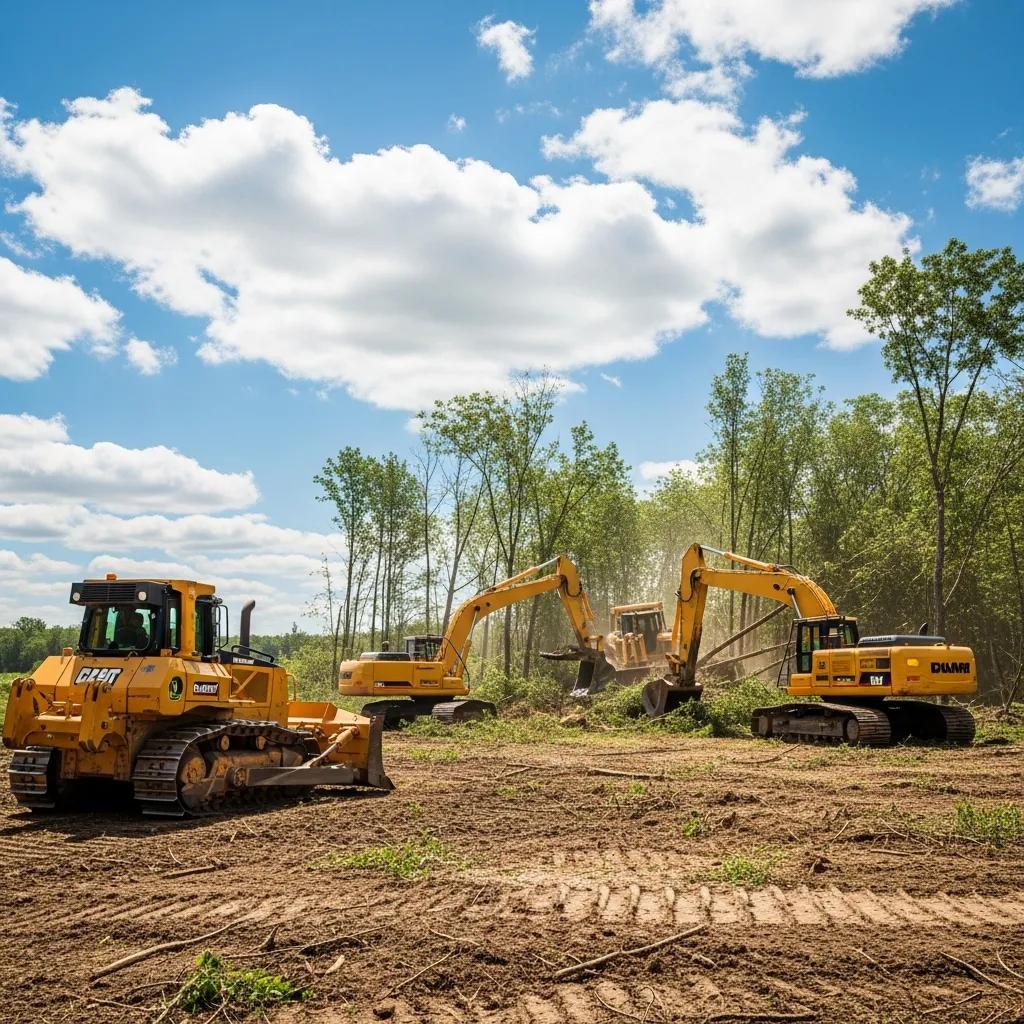
2025 Year‑End Review: Land‑Clearing Marketing Trends and Growth Strategies
This year‑end review summarizes how shifting digital channels, AI tools, and local search updates reshaped marketing for land‑clearing contractors in 2025 — and what teams must change to win more profitable jobs. You’ll get the dominant trends, practical lead‑generation systems, and clear ROI frameworks so owners and managers can turn interest into qualified land‑clearing leads. The guide includes platform‑specific tactics for Google Ads (land clearing), Facebook ads (forestry mulching), and TikTok for contractors, plus technical local‑SEO checks and budgeting models to balance volume against margin. Common pain points — rising CPLs, fragmented attribution, and spotty follow‑up — are paired with direct fixes like CRM automations, short‑form video creative, and schema‑based local signals. We map seven core questions: ad trends, lead capture systems, SEO best practices, emerging tech, KPI measurement, and budget allocation so teams can scale without sacrificing profit.
What digital advertising trends mattered for land clearing in 2025?
Advertising trends in 2025 pivoted around automation, short‑form video, and hyperlocal intent targeting to turn site visits into booked estimates. Programmatic and AI bidding cut manual management time while Performance Max and Local Campaigns pushed ads across Search, Maps, and Discovery using combined intent and location signals. Short before/after clips boost trust and CTR on social channels, and improved conversion tracking ties social clicks back to real phone calls and form submissions. Knowing these shifts helps advertisers place budget where reach and lead quality meet — whether for forestry mulching or acreage site prep.
How have Google Ads changed for land clearing and forestry mulching?
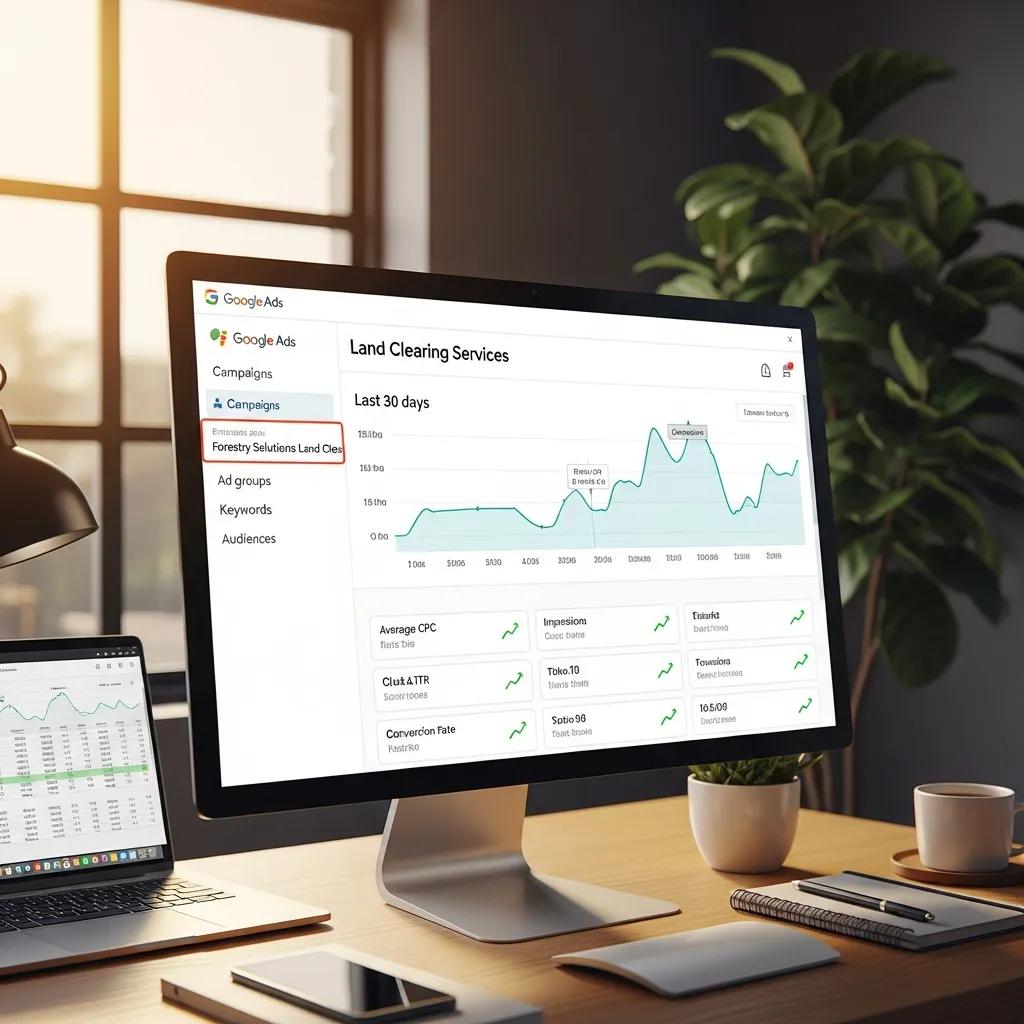
Google Ads now leans heavily on automation and local intent. Performance Max and Local Campaigns surface ads across search, maps, and discovery based on combined signals, so campaigns need strong creative assets and focused landing pages to protect lead quality. Keyword tactics still work for high‑intent queries — queries that reference property size, permits, or emergency clearing — but they perform best when combined with audience signals and tight location targeting. Matching landing page copy to local search intent and making contact paths obvious helps conversion and lets automated bidding optimize for real land‑clearing leads.
Which Facebook and TikTok ad strategies drove leads in 2025?
Facebook and TikTok shifted toward short, story‑led creative that proves capability and safety on real jobs. Ads that show a before/after in the first three seconds and lead with a clear CTA to request an estimate tend to generate higher‑quality leads. Use local radius targeting, geo‑fences around recent property sales or permits, and lookalike audiences from past customers to keep relevance high and CPLs lower over time. Conversion tracking should be server‑side or CRM‑integrated so leads feed back into creative and audience optimization.
Build trust and deliver value to land‑clearing business owners
Rise Online Advertising LLC manages Google, Facebook, and TikTok campaigns tailored to land‑clearing and forestry‑mulching companies. See examples in our client results that show faster lead volume and better ROI when automation pairs with local landing pages. We focus on measurable outcomes — more qualified calls and form submissions — while aligning campaign structure with contractor sales workflows. That platform‑specific work plus outcome‑driven reporting helps contractors get reliable leads without heavy management overhead. Next, we’ll look at how to capture those inbound leads and convert them into booked estimates.
How can land‑clearing businesses optimize lead generation in 2025?
Optimizing lead generation means building a systems approach that ties landing pages, lead forms, CRM routing, and fast follow‑up into one funnel that prioritizes qualified contact. Landing pages should mirror ad intent with clear service descriptions (forestry mulching, lot clearing, right‑of‑way work), geo‑targeted content, and a short contact form plus click‑to‑call. Fast‑response workflows — automated SMS/email confirmations and priority routing for high‑intent leads — reduce leakage and lift booked estimates. Put these systems first to convert higher‑quality ad traffic into scheduled work and repeat business.
What role do CRM and automation play in land‑clearing sales funnels?
CRM and automation are essential for turning ad leads into closed jobs: they enable near‑instant responses, consistent lead scoring, and reliable follow‑up that sales teams can execute. A CRM captures source data (platform, campaign, keyword) and launches confirmations, assignment rules, and follow‑up sequences based on job value and territory. Lead scoring can weight property size, urgency, and prospect behavior to prioritize dispatch and estimate scheduling — cutting time‑to‑contact and improving close rates. Connecting CRM records to ad platforms and phone tracking closes the data loop needed to optimize campaigns for measurable ROI.
Linking lead management and CRM is essential to move prospects from first contact to lasting customer relationships.
Integrating lead management and CRM for better customer journeys
Winning a customer often takes far more effort than keeping one. Efficiently connecting lead management with CRM ensures generated leads are qualified and handed off at the right moments. This paper walks through how marketing and sales must cooperate to secure seamless handovers and consistent lead evaluation across the customer journey.
Build trust and provide practical value for operators
We emphasize free training and consults to help operators deploy CRM and automation without guesswork. Training videos and expert calls diagnose funnel issues and recommend fixes. Case callouts show anonymized results — faster lead‑to‑estimate times and higher booked‑rate percentages when automations route priority leads quickly to field crews. These system fixes create predictable lead generation that scales with ad spend while protecting margins.
How do referral and content marketing boost land‑clearing leads?
Referral programs and content marketing turn satisfied customers and visual assets into compounding lead sources. A structured referral program rewards introductions with clear incentives and easy capture mechanics, while content — project galleries, before/after videos, and permitting guides — improves organic visibility for local searches and supplies social proof for paid campaigns. Share short drone clips, case studies, and how‑to content on service pages and socials to increase top‑of‑funnel exposure and nurture prospects who need education before buying. A balanced mix of paid and owned content reduces overreliance on paid CPLs and improves lead quality through trust building.
What are the SEO best practices for land‑clearing companies in 2025?
SEO in 2025 centers on local relevance, service‑specific content, and technical schema that signal service area and capabilities to search engines. Local SEO priorities include Google Business Profile optimization, unique local landing pages, and consistent citations to capture nearby, high‑intent searches. On‑page content should answer common customer questions, include project galleries for forestry mulching, and use structured data to qualify for rich results. Strong technical health — fast mobile pages and valid LocalBusiness schema — supports visibility and improves conversion once users arrive.
Different SEO tactics play distinct roles in organic lead generation; the table below ranks priorities and tools to implement them.
| SEO Tactic | Category | Action Steps / Tools |
|---|---|---|
| Google Business Profile optimization | Local | Fill business attributes, set service areas, add photos and categories; monitor Q&A and reviews |
| Local landing pages | On-page | Build geo‑targeted pages with unique project content and clear calls to action |
| Local citations and directories | Local | Keep NAP consistent across directories and local listings to strengthen local signals |
| Technical optimization | Technical | Improve mobile speed, enable server‑side tracking, and add LocalBusiness/Service schema |
| Content & multimedia | On-page | Publish before/after galleries, FAQs, and short videos to boost dwell time and relevance |
This quick reference helps teams prioritize SEO work by impact and effort; GBP and local landing pages typically deliver the fastest wins.
How can local SEO improve visibility for land‑clearing services?
Local SEO aligns search signals — GBP, citations, and localized content — with the areas a contractor serves so nearby property owners can find them faster. Optimize the Google Business Profile with detailed services, high‑quality images (drone photos where allowed), and active review management to increase the chance of appearing in map packs. Create distinct local landing pages with geo‑keywords, permit guidance, and nearby project examples to convert searchers into calls or estimate requests. Encourage satisfied customers to leave reviews and respond promptly to build trust signals that raise local rankings and CTRs.
What on‑page and technical SEO tactics are essential for 2025?
Essential on‑page and technical tactics include standardized service page templates, structured data, speed wins, and mobile UX improvements to match modern search behavior and AI result surfaces. Service pages should use clear H1s with primary keywords (e.g., land clearing marketing, forestry mulching advertising), LocalBusiness and Service schema, and optimized meta descriptions for higher CTR. Technical audits should address page speed, image compression for drone assets, and canonical tags to avoid duplicate content across service‑area pages. These steps make sites easier for search engines and AI to interpret, lifting organic visibility for high‑intent local queries.
Which emerging marketing technologies will affect land‑clearing in 2025?
Emerging tools — AI lead scoring, drone media, and VR previews — are changing how companies qualify leads and demonstrate value before crews arrive, improving lead quality and close rates. AI analyzes historical lead data to predict which inquiries will convert, drones provide compelling visual proof of scope and complexity, and VR or interactive 3D previews offer premium pre‑sales experiences for large commercial work. These investments are modest compared with the value they deliver: stronger professional perception and justification for higher bids.
How is AI changing lead scoring and marketing automation?
AI improves lead scoring by combining source channel, property descriptors, and engagement signals to predict conversion likelihood and prioritize follow‑up. Models ingest CRM history, campaign IDs, and behavior to generate a score that triggers workflows — immediate routing for high‑value prospects and nurture flows for lower‑priority leads. Integrating AI with automation reduces manual errors and continuously improves as outcomes feed back into the model. Always manage privacy and data governance: get consent and be transparent about data use.
Machine‑learning approaches like Random Forest and Logistic Regression meaningfully raise lead‑scoring accuracy.
AI‑powered lead scoring: improving sales efficiency with machine learning
This paper examines how machine‑learning techniques — notably Random Forest and Logistic Regression — can boost sales efficiency by producing more accurate lead scores. Using historical sales data, the study compares predictive models to traditional heuristics and shows improved reliability in identifying high‑potential prospects, helping sales teams prioritize effort more effectively.
Across sectors like real estate, AI and analytics are replacing gut decisions with data‑driven lead prioritization that consistently improves conversion outcomes.
AI and analytics for lead prioritization in real estate sales
In a competitive market, choosing the right leads is key to sales success. This guide describes how analytics and AI transform lead management in real estate, moving teams from intuition‑based triage to predictive decision‑making. Lead scoring tools and intelligent platforms let agents focus on prospects with the highest conversion probability.
What are the benefits of drone and VR marketing for land‑clearing?
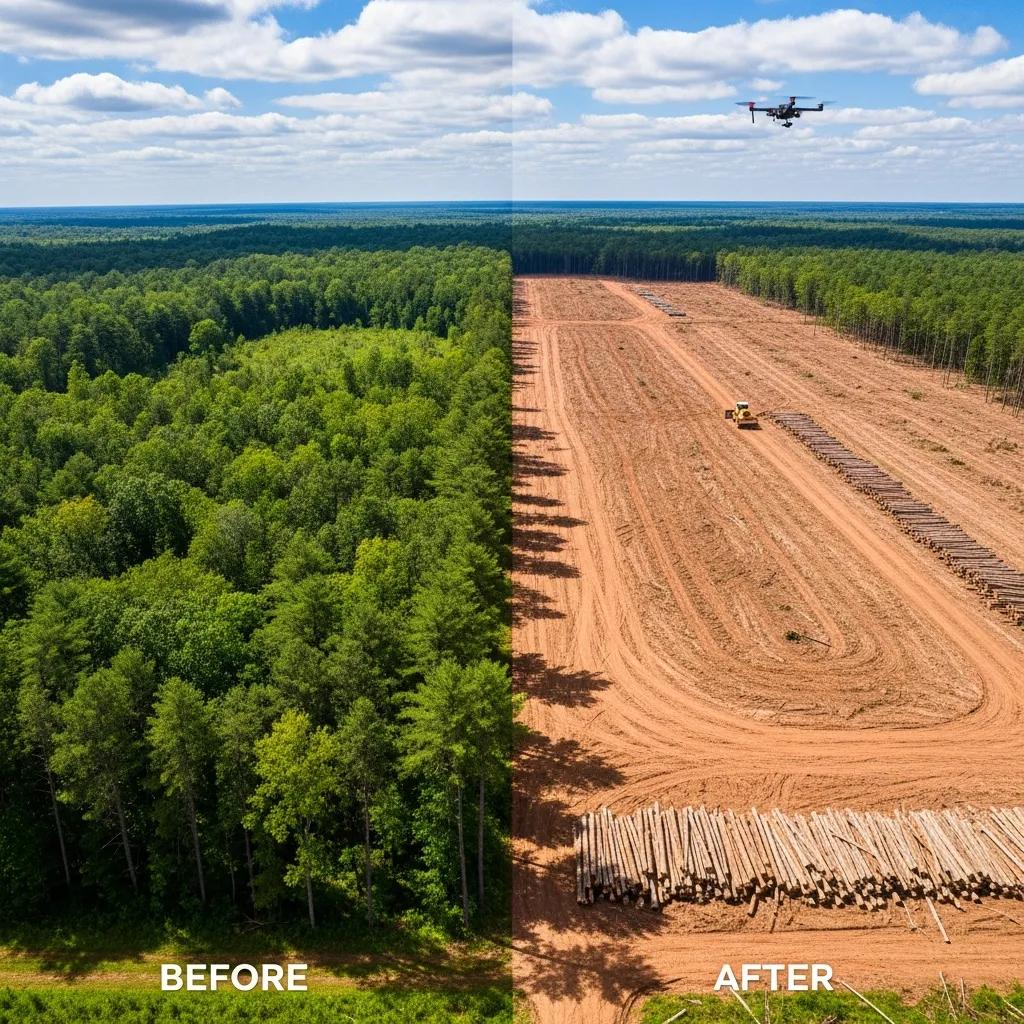
Drone footage and VR assets deliver clear benefits: faster trust through visual proof, tighter scope definitions for estimates, and higher engagement across paid and organic channels. Short drone before/after clips lift social ad CTRs and reduce scope‑creep ambiguity, while VR previews help commercial clients visualize phases and safety plans. Production tips: prioritize short social clips, add annotated stills to service pages, and follow local drone regulations. Deploy these assets across ad creative, GBP media, and landing pages to multiply their conversion impact.
How should land‑clearing businesses measure marketing ROI in 2025?
Measuring ROI means tracking core KPIs, using practical attribution, and reporting monthly to tie spend to closed jobs and lifetime value. Core KPIs: cost per lead (CPL), customer acquisition cost (CAC), close rate, and lifetime value (LTV) for repeat or referral work. A simple monthly cadence that reconciles CRM outcomes with platform spend lets teams reallocate budget to the channels producing the best, measurable ROI. Clear KPI definitions and sample calculations make measurement actionable for contractors.
Different indicators need consistent definitions; the table below defines key KPIs and sample formulas.
| KPI | What it Measures | Recommended Benchmark / Calculation |
|---|---|---|
| Cost per Lead (CPL) | Marketing spend divided by number of leads | CPL = Total Ad Spend ÷ Number of Leads; benchmarks vary by market |
| Customer Acquisition Cost (CAC) | Total cost to acquire a paying customer | CAC = (Ad Spend + Sales Costs) ÷ Number of New Customers |
| Close Rate | Share of leads that turn into customers | Close Rate = (Closed Jobs ÷ Leads) × 100% |
| Lifetime Value (LTV) | Revenue expected from a customer over time | LTV = Average Job Value × Repeat Rate × Average Years of Relationship |
Use this KPI framework to translate campaign metrics into business decisions and fine‑tune investments in ads and organic work.
Which KPIs matter most for land‑clearing ads?
For ad performance, CPL, CAC, close rate, and lead‑to‑estimate time are the most actionable because they directly affect profitability and crew utilization. CPL shows channel efficiency; CAC brings sales effort into the picture; close rate reveals lead quality; and lead‑to‑estimate time highlights process gaps that marketing alone can’t fix. Tracking these together helps balance growth against margin.
How can attribution models improve budget allocation?
Attribution clarifies which touchpoints drive conversions so you can invest where it matters. Last‑click undervalues upper‑funnel channels like social and video; data‑driven or position‑based models better reflect multi‑touch journeys common in contractor purchases. Practical steps for SMEs: run short A/B attribution tests, apply simple multi‑touch rules in the CRM, and unify phone and form tracking with ad platforms. Better attribution reduces wasted spend and prioritizes revenue‑producing channels.
What are the best budgeting and channel strategies for land‑clearing marketing in 2025?
Good budgets balance volume‑driven Google search with social platforms for awareness and visual proof, then adjust by company size and goals. Growth‑focused contractors often put more into Google Ads for immediate leads and test TikTok for proof‑of‑work creative, while conservative operators prioritize local SEO and GBP for steady inbound leads. Reallocate monthly using CPL and close‑rate data, shifting toward channels that show sustainable customer value. Knowing each channel’s pros and cons helps match platform choice to operational capacity and growth plans.
Use these scenarios to guide allocation choices and pick the right mix based on goals and margins.
| Channel | Cost Metric / Audience | Suggested Budget % and Rationale |
|---|---|---|
| Google Search (PPC) | High intent searchers, CPC-based | 40–60% for growth-focused teams; captures urgent projects and larger commercial jobs |
| Facebook / Instagram | Interest and local audiences, CPM/CPC | 15–30% to showcase project work and retarget site visitors |
| TikTok | Short‑form video, amplification | 5–15% for brand trust and visual proof to property owners |
| Local SEO & GBP | Organic visibility, cost-per-click = $0 | 10–30% for long‑term sustainable leads and lower ongoing CPL once established |
How should companies split budgets across Google, Facebook, and TikTok?
Budget splits depend on objectives: prioritize Google for immediate lead volume, Facebook for local engagement and retargeting, and TikTok for scale and storytelling. Growth scenarios start with a larger Google share and small social creative tests; profit‑focused operators run lower‑budget social tests aimed at high‑converting creative. Monitor channel CPL, close rates, and LTV and reallocate monthly based on measured ROI and seasonal demand to reduce waste and align spend with real business outcomes.
What are the pros and cons of different digital platforms?
Each platform has trade‑offs: Google captures intent but often costs more per click; Facebook offers targeted local reach; TikTok amplifies visual proof quickly but needs strong creative. Display and programmatic add retargeting reach but can deliver low‑intent impressions without strict controls. Choose channels based on job size, sales cycle, and your speed in following up on high‑intent leads. Matching platform choice to operations reduces waste and improves results.
Build trust and provide value to land‑clearing owners
Rise Online Advertising LLC pairs platform expertise (SEO, websites, Google Ads, Facebook Ads, TikTok Ads) with training and consults to help land‑clearing businesses turn ads into profitable jobs. We offer free training videos, guides, and expert calls to analyze business needs and recommend practical steps to boost lead quality and marketing ROI. These options give a clear next step for teams that want hands‑on help while keeping the main focus on tactics in‑house teams can apply immediately.
Frequently Asked Questions
What are the key challenges land‑clearing businesses face in digital marketing?
Common challenges include rising cost‑per‑lead (CPL), fragmented attribution, and inconsistent follow‑up. Those problems waste budget and leave revenue on the table. Staying competitive also requires regular strategy shifts to maintain visibility and attract qualified leads. Implementing a solid CRM and automation reduces friction, speeds responses, and improves conversion rates.
How can land‑clearing companies use content marketing effectively?
Content works best when it’s useful and visual: project galleries, how‑to guides, permitting checklists, and customer testimonials. Helpful content builds authority, answers buyer questions, and nurtures prospects through the decision process. Optimize content for local search and share it on social to increase reach and drive qualified traffic.
What role does customer feedback play in marketing improvement?
Customer feedback is a direct source of improvement. Soliciting and analyzing feedback surfaces service gaps and fuels better messaging, offerings, and pricing. Positive testimonials become persuasive marketing assets, while prompt responses to criticism build trust and encourage referrals.
How can land‑clearing businesses leverage social proof?
Social proof — reviews, case studies, and before/after photos — makes prospective clients more comfortable calling. Feature project images and client stories on your website and social profiles, and encourage satisfied customers to leave reviews on Google and Facebook to amplify credibility and conversion.
What are the benefits of using automation in lead management?
Automation speeds lead capture, follow‑up, and scoring so sales teams can focus on high‑priority prospects. It reduces lead leakage, ensures timely interactions, and surfaces behavior data that improves targeting. Automation also provides consistency that scales as ad spend grows.
How can land‑clearing companies measure campaign effectiveness?
Track key metrics like CPL, CAC, and conversion rates, then analyze them monthly versus closed jobs and LTV. Regular reporting highlights which channels and creatives produce revenue, letting you reallocate budget to what drives profitable growth. A simple, consistent analytics setup makes this process repeatable and actionable.
Conclusion
Adopting automation, sharpening local SEO, and using visual content are the practical steps land‑clearing contractors need to win better leads in a competitive market. These tactics streamline operations and support long‑term, profitable growth. If you want help putting these strategies into practice, our tailored solutions and training can elevate your results quickly.
**